What Is This Mitigation of Damages Requirement That I Keep Hearing About?
Whether a tenant breaches the lease and is evicted, leaves after receiving the 5-day or 14-day notice, or vacates in the middle of the night with months remaining on the lease, a landlord has a duty to make reasonable efforts to mitigate the tenant's damages under Wisconsin law.
Put simply, a landlord cannot sit idle and expect to collect rent from the departing tenant until the lease term ends. Per Sec. 704.29 of the Wisconsin Statutes, a landlord must make reasonable efforts to attempt to mitigate the tenant's damages by trying to re-rent the unit for the tenant.
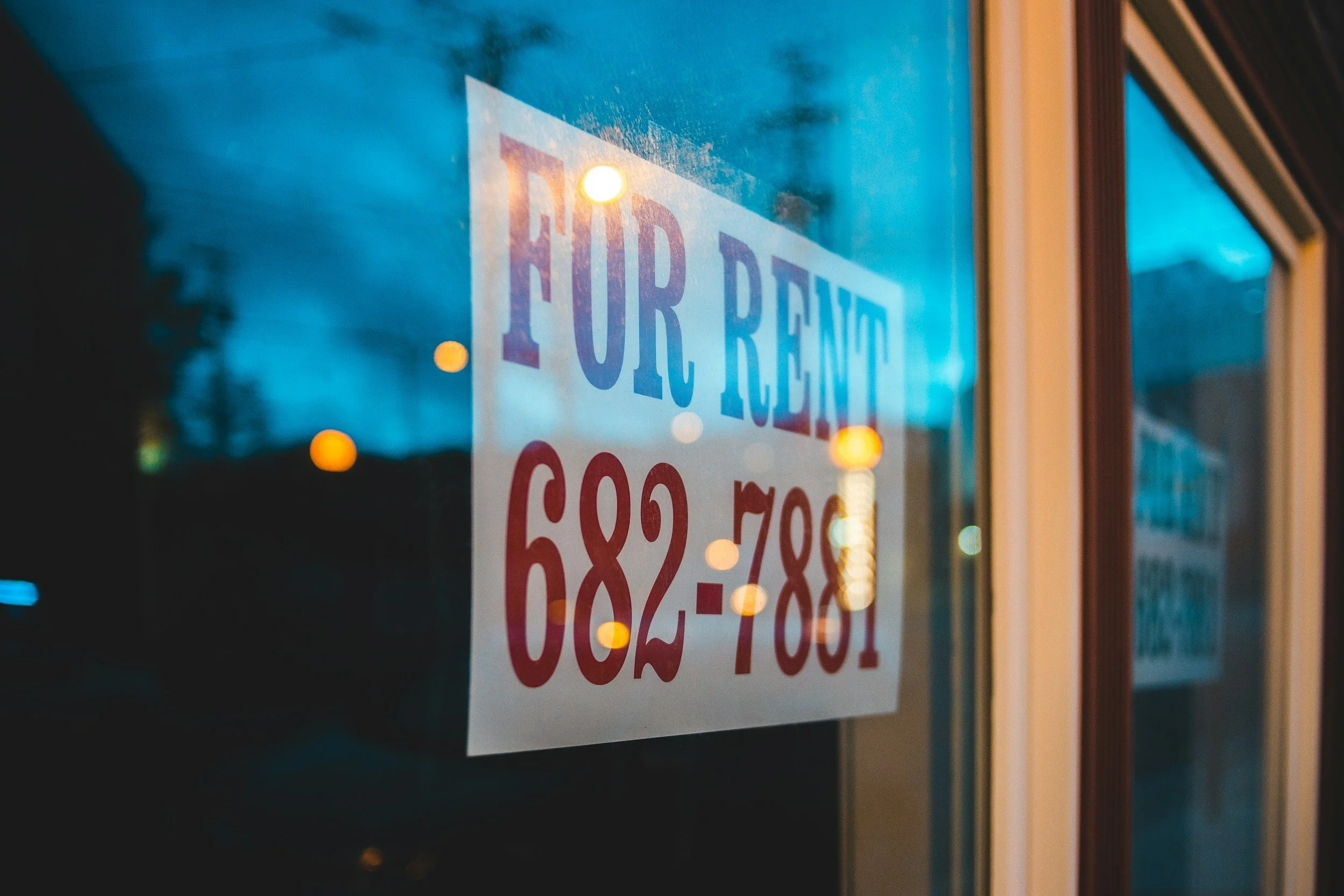
"Reasonable efforts" are defined as "those steps that the landlord would have taken to rent the premises if they had been vacated in due course . . ." So if you typically advertise your vacancies in the Journal Sentinel, then you should also advertise the tenant's vacant unit in the Journal Sentinel. If you typically advertise vacancies on Craigslist, then you should do the same for the tenant's vacant unit. If you always post a "For Rent" sign in front of the apartment building, then you should do the same here as well.
The tenant is legally responsible for any costs incurred by the landlord in re-renting the unit that is now vacant. Whether the old tenant is collectible and you will ever be reimbursed for those out-of-pocket costs is a practical matter that the statutes do not address.
If you have other vacant units at the same property, you do not need to re-rent the tenant's old unit before you rent out the other vacant units. However, you should add your ex-tenant's vacant unit to the mix and present it along with your other vacancies to prospective renters.
The Wisconsin Statutes do not define "reasonable efforts." What is reasonable is determined on a case-by-case basis and varies depending on the specific facts and the judge or court commissioner who is hearing the case. A landlord should use common sense. If you follow the same procedures you always use when you have vacancies, you should be acceptable.
I hope it goes without saying that the following would NOT be considered to be reasonable efforts to mitigate a tenant's damages:
1. The arbitrary refusal to re-rent the unit to a prospective tenant.
2. An attempt to rent the unit at a higher rental amount than other similar units in an attempt to dissuade a prospective renter from choosing the tenant's vacant unit.
An issue that often arises in these mitigation cases is what if the landlord cannot begin re-renting the unit because the tenant caused extensive damage, and the landlord needs time to return the unit to a rentable condition. In my experience, I have found the courts to be understanding when a landlord is placed in a Catch-22 situation like this. I have argued successfully in court on many occasions that if the tenant caused damage to the unit which requires the landlord to need more time to repair the unit -- thus delaying his/her ability to attempt to re-rent the unit -- that this should not be held against the landlord as long as the landlord moves forward with the repairs in a reasonable amount of time.
The argument is a simple one. "Your Honor, but for the tenant having caused damage to the unit, my client would have been able to begin the re-rental process immediately. It was the fact that the tenant decided to paint the master bedroom a beautiful shade of purple, allowed their cat to use the hallway carpet as a personal litter box, and encouraged their 2 year old child to express her artistic abilities with a permanent marker on the newly refinished hardwood floors, that delayed my client's ability to re-rent the unit the following month."
According to sec. 704.29(3), Wis. Stats., a landlord must allege and prove that s/he made efforts to re-rent the unit for the tenant. The tenant then has the burden of proving that the landlord’s efforts were unreasonable. The burden then shifts to the tenant to prove that the landlord’s efforts were unreasonable. The tenant also has the burden of demonstrating the amount of rent that could have been obtained if the landlord had made reasonable efforts to mitigate by re-renting.
The issue of whether the landlord used "reasonable efforts" to re-rent the unit is frequently raised by residential tenants who appear in court to contest the landlord's money-damage claims. The mitigation issue is ALWAYS raised by commercial tenants because commercial lease terms are typically for many years, which could result in the tenant being "on the hook" for tens of thousands of dollars.
So if you are ever in the unfortunate situation where a tenant has vacated your rental unit with months remaining on the lease, you will want to make sure to save any documents that will demonstrate that you made reasonable efforts to re-rent the tenant's unit. This often includes, photos of the "For Rent" sign indicating the date it was put up, copies of advertisements placed on Craig's List or in the Journal Sentinel, invoices for the cost of the ads, a list of the potential renters who called interested in renting the unit, the reasons why any potential tenant was rejected (this is another time when having written screening criteria is a must), and any other evidence that shows that your efforts to mitigate your ex-tenant's damages were reasonable.
Once the unit is re-rented, the tenant's obligation to pay rent ceases. Typically, the tenant remains responsible for rent until either the end of the lease term or the unit is re-rented, whichever occurs first.
While it may seem unfair that you have to expend extra time and energy to help reduce a tenant's damages when s/he was the one in the wrong, it is the law.